
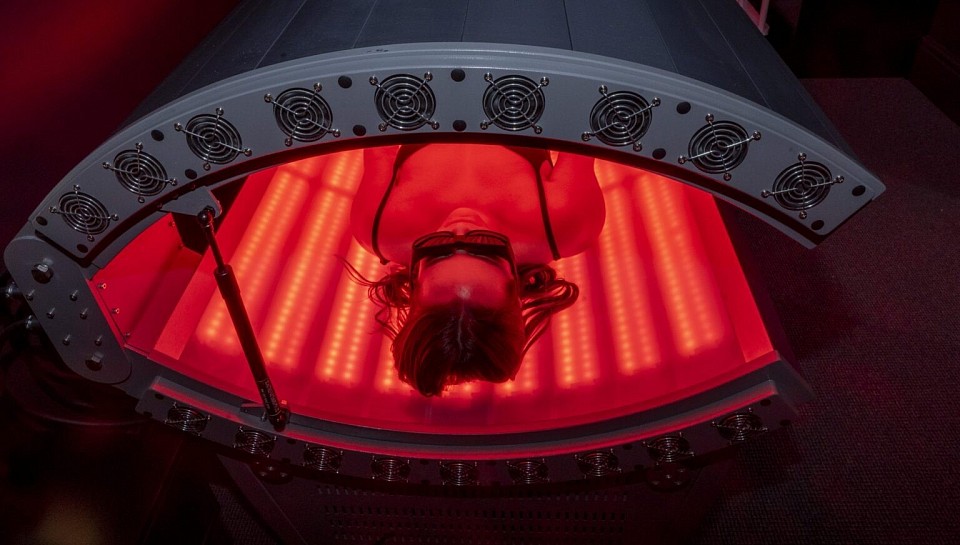
Daily Recovery Habits That Help Active Bodies Stay Balanced
Why recovery deserves as much attention as training
Many active people focus heavily on movement goals while giving less attention to what happens after effort ends. Training creates progress only when the body has enough time and support to adapt. Without recovery, even well planned exercise can feel harder each week instead of more productive. This is why wellness conversations increasingly include habits that support repair, calmness, and physical balance. Among those topics, red light therapy for muscle recovery is often discussed because athletes and active adults want methods that fit into regular routines without interrupting training schedules.
Recovery does not begin only after intense exercise. It also matters after long walks, repetitive work, standing for extended periods, or physical jobs that create unnoticed fatigue. Many people carry daily strain without identifying it clearly because discomfort builds gradually. The body responds to repeated demand whether the source is sport, work, or daily movement.
A balanced recovery plan usually includes hydration, nutrition, mobility, and sleep. These basics remain more important than any specialized method. However, people often explore additional supportive practices because consistency can be difficult when schedules are crowded. The easier a habit is to maintain, the more likely it becomes part of long term wellness.
Muscles often need calm before they need intensity again
A common mistake in active lifestyles is adding more effort when the body is already signaling fatigue. Tightness, reduced flexibility, and slower movement often suggest that recovery should come first. Muscles perform better when they return to a comfortable resting state before the next demanding session.
Many people assume soreness is the main sign of fatigue, yet stiffness often appears before soreness does. A person may notice reduced stride length, slower warm up time, or tension while sitting still. These signs suggest that muscle comfort deserves attention even if pain is absent.
Gentle recovery habits help because they improve awareness. Stretching slowly, walking after exercise, and maintaining relaxed breathing often help identify where the body feels restricted. When people pay attention early, they often prevent larger setbacks later.
Photobiomodulation discussions often appear in recovery conversations because they relate to tissue support without creating additional strain. Recovery methods that do not demand extra exertion often appeal to athletes balancing heavy schedules.
Athletic routines benefit from structured recovery windows
Athletes often train according to clear plans but recover inconsistently. A schedule may define running distance, lifting sets, or sport drills while leaving recovery to chance. This imbalance often creates uneven performance over time.
Recovery windows matter because the body does much of its adaptation after activity ends. Muscles, connective tissues, and the nervous system all respond during periods of reduced demand. When these windows are rushed, performance quality may decline gradually.
This applies not only to competitive athletes but also to people who stay active for personal health. Weekend runners, cyclists, and gym participants often underestimate how much repeated effort accumulates across weeks. Small recovery habits become important because they prevent minor tension from becoming long term discomfort.
Structured recovery also improves mental confidence. People who know they have a plan for post activity care often feel more stable in their training. They become less likely to push through fatigue without reflection.
Mood and physical recovery often overlap
Many people notice that physical fatigue affects mood quickly. Irritability, low patience, and reduced motivation often appear when the body remains under recovered. This happens because energy systems influence mental state as much as physical output.
A person who sleeps poorly after hard training often wakes with both muscle heaviness and reduced focus. This overlap explains why wellness discussions increasingly connect physical recovery with emotional steadiness. Recovery is rarely only physical.
Simple habits such as slower breathing, reduced evening stimulation, and light movement after exercise often improve both body comfort and mental clarity. Recovery works best when it addresses the whole routine rather than isolated symptoms.
Athletes who protect evening calm often perform more consistently because their bodies complete recovery more effectively overnight. The transition from activity to rest matters more than many people expect.
Skin comfort and tissue resilience in active lifestyles
Active routines also affect skin and surface tissue. Sweat, repeated friction, outdoor exposure, and rapid temperature changes all influence comfort. People focused only on muscle recovery sometimes overlook these surface changes even though they affect overall wellness.
When tissues feel dry, tight, or stressed, the body often feels less comfortable overall. This can influence flexibility and post exercise ease. Hydration and recovery therefore support more than internal systems.
Concerns related to loose skin, changing tone, or visible fatigue often appear during major fitness transitions because the body changes at different speeds across tissues. This is why wellness conversations increasingly include tissue support alongside muscle comfort.
The goal is not perfection but steady support through realistic habits. Bodies adapt gradually, and visible changes often reflect consistency rather than intensity.
Member Spotlight
Total XEN
1300 858 711
https://totalxen.com/wellness/
Sustainable training depends on how well the body recovers between periods of effort. A person who respects recovery usually notices better consistency, steadier comfort, and fewer interruptions in activity over time. In many wellness settings, red light therapy for muscle recovery is included because it can be added to a broader routine that already values hydration, rest, and movement quality. A full body red light therapy bed is often selected when people want recovery sessions that feel simple and calm rather than physically demanding. The value usually comes from regular use within an organized recovery plan rather than occasional sessions after fatigue becomes severe. When people treat recovery as a daily responsibility instead of a response to discomfort, the body often maintains better readiness for work, sport, and general movement across changing routines.
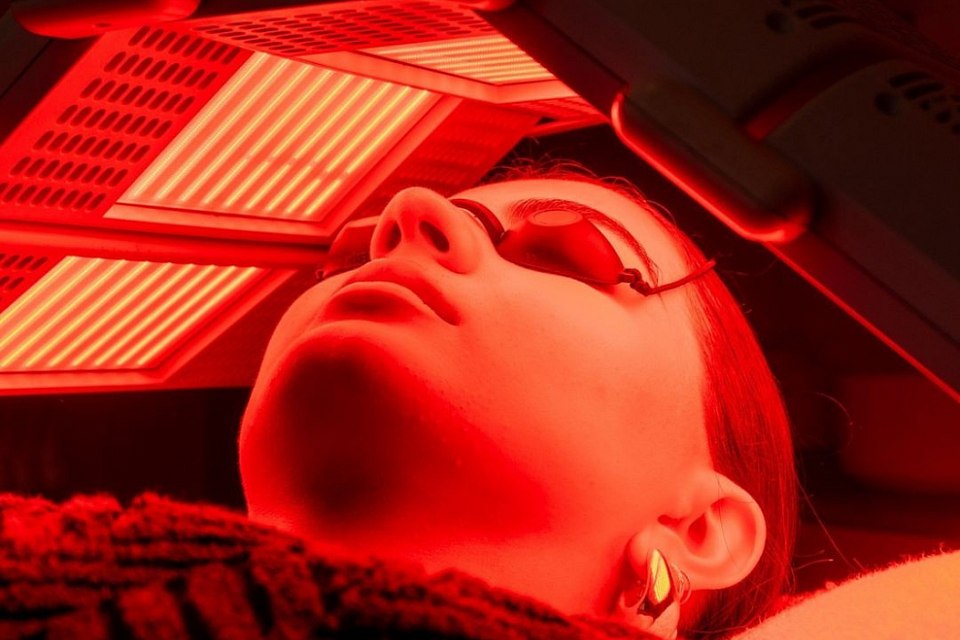
How Light Based Technology Supports Restful Evenings and Balanced Sleep Cycles in Modern Wellness Spaces
• Understanding the Relationship Between Light and Natural Sleep Patterns
Sleep quality influences nearly every aspect of daily life, from mental clarity to physical comfort. Across the United States, more individuals are looking for supportive tools that fit into evening routines without relying solely on medication or stimulants. Within this shift, red light therapy for sleep has become part of conversations around balanced nighttime habits.
Photobiomodulation devices use red and near infrared wavelengths that differ from the blue light emitted by screens. Blue light is known to stimulate alertness and interfere with natural circadian rhythms. Red wavelengths, in contrast, are less likely to disrupt melatonin pathways. This distinction has led wellness centers to explore how controlled red light exposure may complement evening relaxation practices.
Whole body systems provide an environment where individuals can disconnect from digital devices while lying comfortably. A full body red light therapy bed allows for consistent exposure in a calm setting, which may support the body’s natural transition from activity to rest.
• Evening Relaxation and Nervous System Balance
The nervous system responds to daily stress through a series of complex signals. Long work hours, travel, and constant notifications can keep the body in a heightened state. For many Americans, winding down at night requires intentional steps.
Light based sessions are often scheduled in the late afternoon or early evening as part of relaxation routines. During a session, individuals lie still in a quiet room while red and near infrared light surrounds the body. This stillness encourages slow breathing and reduced external stimulation.
When paired with stretching or gentle mobility exercises, whole body light exposure may support a smoother transition into evening calm. Facilities that offer a full body red light therapy bed frequently design their spaces to minimize noise and visual clutter, reinforcing the connection between environment and rest.
• Cellular Support and Nighttime Recovery
While sleep feels passive, the body remains active during nighttime hours. Tissue repair, hormonal regulation, and immune processes all occur during deeper sleep phases. Photobiomodulation interacts with cellular structures that influence energy production, which connects light exposure to broader recovery cycles.
By supporting mitochondrial activity earlier in the day, light sessions may complement the body’s preparation for rest. Individuals who include structured recovery practices often find that consistency plays a key role. In wellness centers across the United States, clients integrate light exposure into weekly routines alongside hydration, balanced nutrition, and regular movement.
Whole body systems provide even coverage that aligns with total body recovery. Instead of focusing only on one area, full body exposure may support overall balance before bedtime. Over time, these structured routines become part of a steady evening rhythm.
• Designing Wellness Spaces for Better Sleep Habits
Modern wellness facilities increasingly emphasize atmosphere. Lighting, temperature, and sound all influence how the body prepares for sleep. A full body red light therapy bed fits naturally into this design approach by offering both physical support and a calming environment.
Professional photobiomodulation devices are engineered with consistent wavelength output and timed sessions. This predictability helps clients incorporate light exposure without disrupting their schedules. In cities and suburban areas across the United States, wellness studios are dedicating quiet rooms specifically for restorative sessions.
Education is also part of this process. Clients are often guided on how to limit blue light exposure in the hours before bed and how to create evening rituals that reinforce relaxation. Within this broader framework, red light therapy for sleep becomes one component of a comprehensive rest strategy.
• Building Sustainable Evening Routines
Healthy sleep habits rarely develop overnight. They require steady adjustments and realistic expectations. Light based sessions can be incorporated gradually, often once or twice a week, depending on individual preferences and facility guidelines.
As awareness grows, many people view red light therapy for sleep as part of a larger lifestyle shift toward mindful evenings. Rather than scrolling through devices late at night, individuals are exploring structured downtime that supports calm breathing and muscle relaxation.
Across the United States, the integration of whole body photobiomodulation into wellness spaces reflects this cultural shift. When paired with consistent schedules and supportive environments, red light therapy for sleep aligns with efforts to build sustainable nighttime routines that prioritize balance and restoration.
Member Spotlight
Total XEN
1300 858 711
https://totalxen.com/wellness/
Performance focused facilities seeking advanced recovery tools are turning to red light therapy for athletes as part of their service expansion. Total XEN provides full body red light therapy bed systems built for commercial use, offering consistent light delivery and dependable construction. Athletic centers, training studios, and wellness facilities require equipment that can operate efficiently throughout the day while maintaining user comfort. A full body red light therapy bed allows providers to offer comprehensive sessions that fit easily into structured training programs. Total XEN emphasizes measurable results, long term reliability, and commercial return on investment for businesses integrating photobiomodulation technology. By adding professional grade light systems, facilities can strengthen their recovery offerings and meet the expectations of athletes who value modern, science informed support within their training environment.